What’s flowering in the UK this month
In September, Rosette’s In Bloom quiz prefers plants that people on iNaturalist actually recorded in the United Kingdom during this calendar month — a map of conspicuousness, not a laboratory phenology chart.
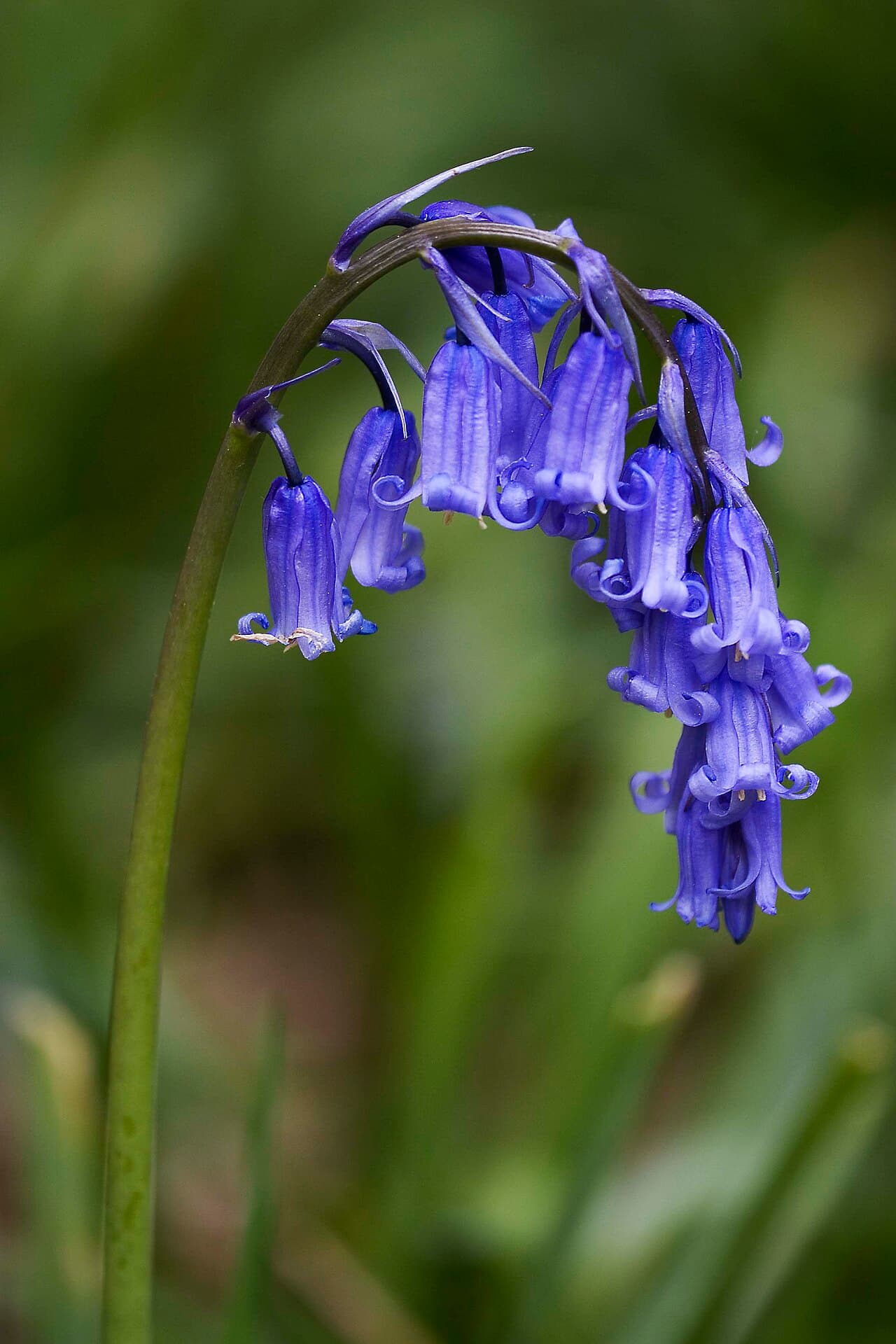
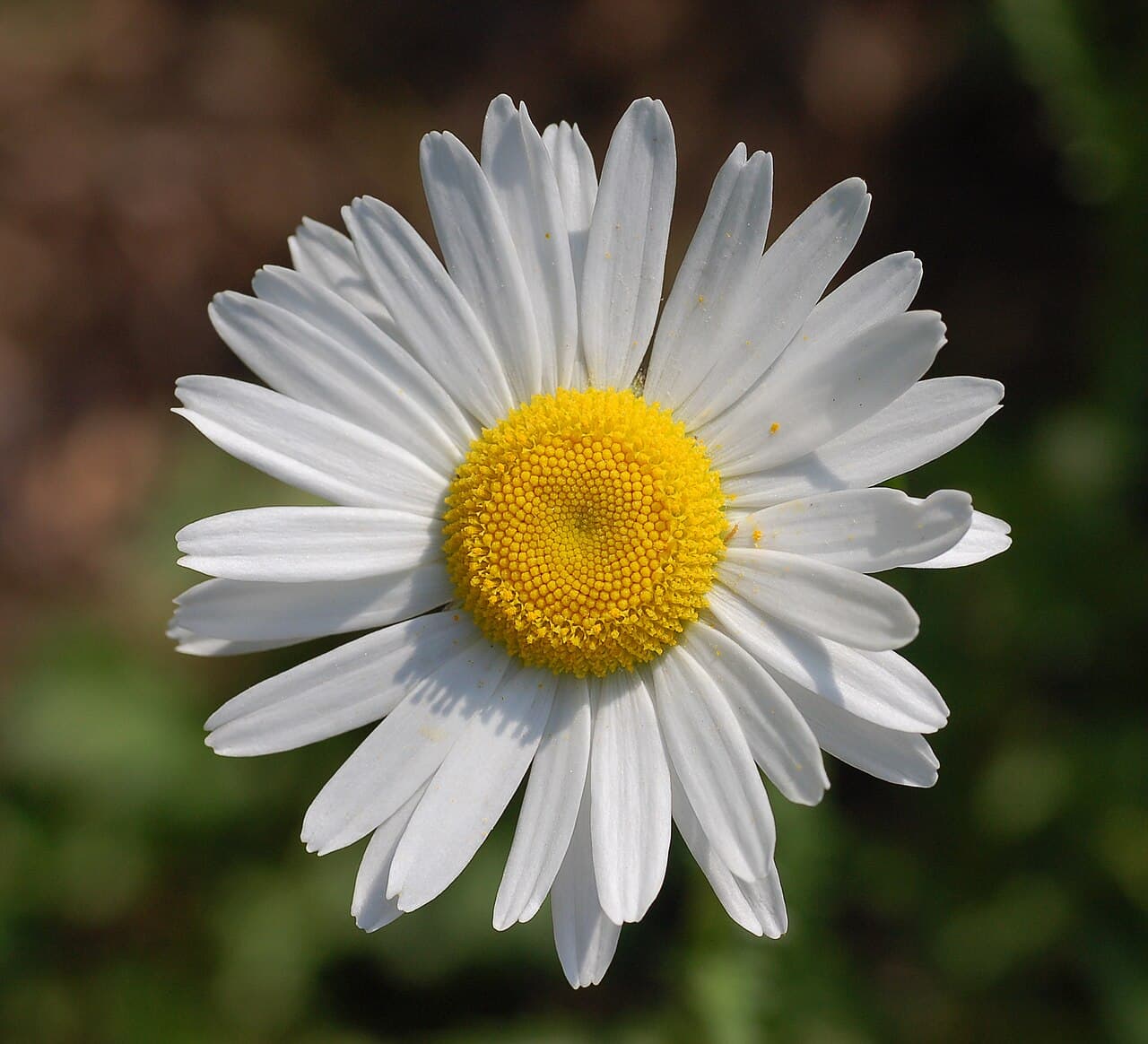
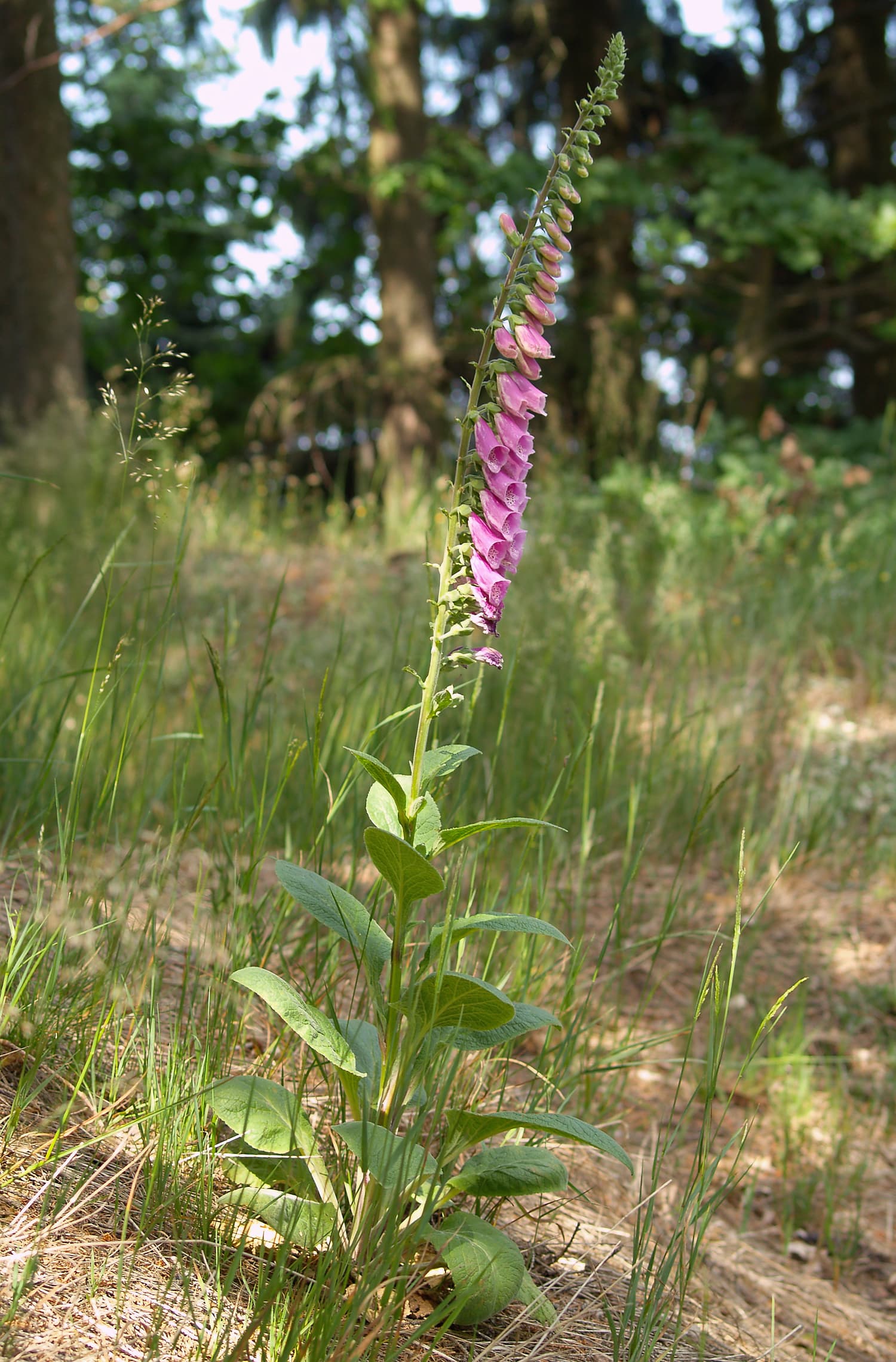
What the month score is
For each species we count research-grade UK observations by month, then normalise so the peak month is 1. Plants above a threshold appear in In Bloom. The research-grade filter is the same community standard iNaturalist uses when an identification has settled.
Where it is weak
Observation frequency follows people as much as plants. Showy flowers are over-recorded; grasses and evergreens are under-recorded. Treat the quiz as “what walkers are noticing now”, then check a flora or the Botanical Society of Britain & Ireland maps if you need a formal record. Kew’s plant identification notes are a good next step after a missed name.
Questions
Does a high month score mean a plant is flowering?
Not necessarily. It means people on iNaturalist recorded that species often in the UK during this calendar month — a map of conspicuousness.
Why are grasses under-represented?
Walkers photograph showy flowers more than grasses and evergreens. The quiz follows that bias on purpose, then points you to a flora or BSBI maps for a formal record.
Is In Bloom the same as the Daily Five?
No. The Daily Five is five shared plants. In Bloom is a longer seasonal quiz drawn from the current month’s high-scoring species.
Play — guessing from photographs — is free. How a round is built explains the lookalikes. In Bloom for September is open to everyone.