
Guess the plant
Ten photographs. Four names each. You choose, then read a fact and keep the ones you get right. Play is free, with no daily cap.
United Kingdom · September
Rosette is a UK wildflower identification game. A photograph, four names, and a life list of every species you get right. That is the whole loop.
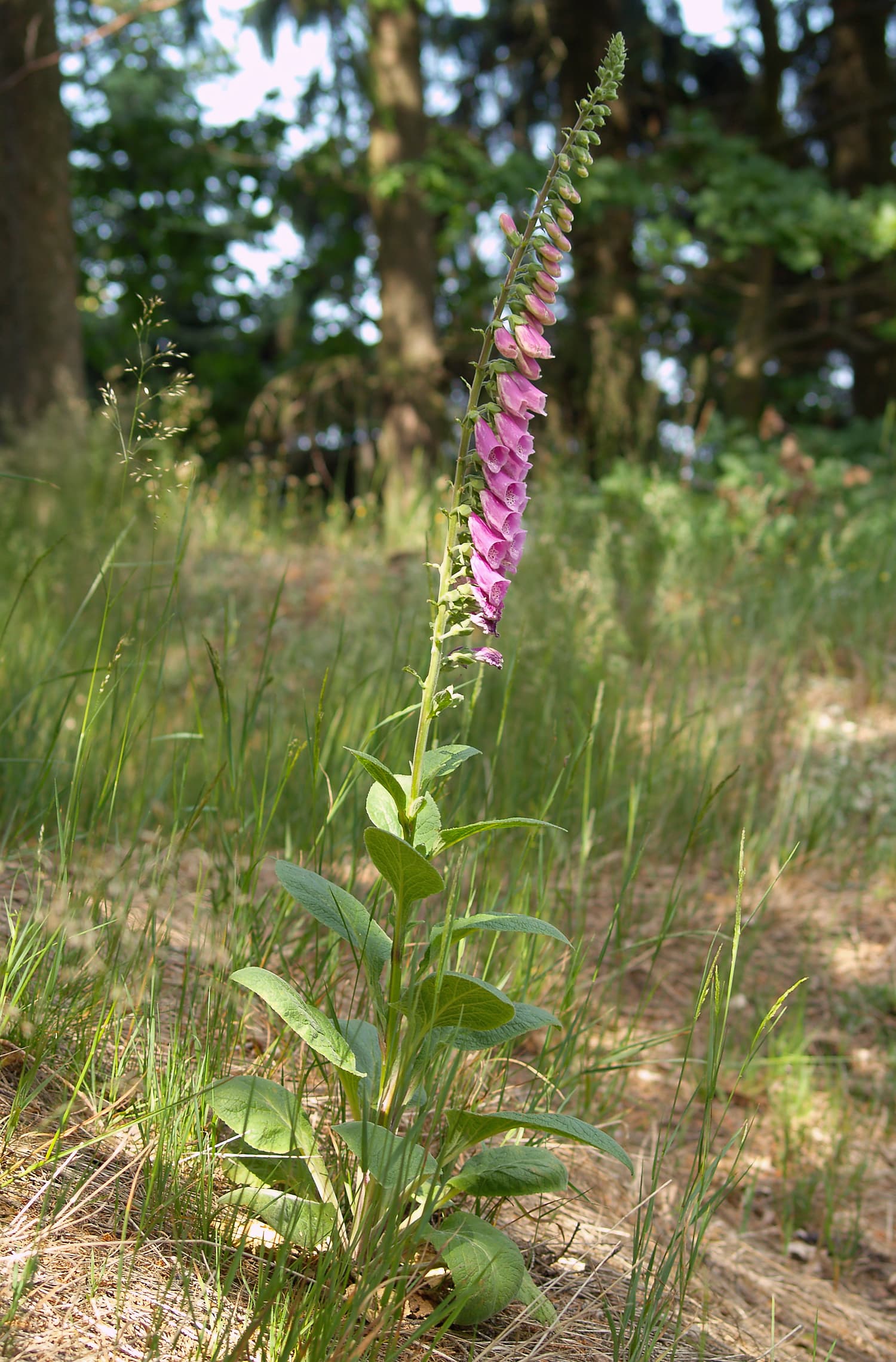
Most plant apps shrink photographs into thumbnails and ask you to trust a model. Identification depends on seeing the plant. Rosette keeps the picture large and asks you to choose the name — the same habit as using a printed flora, without the weight of Stace in a rucksack. The method sits closer to Kew’s advice on learning plants by looking than to instant photo ID.
Ten photographs. Four names each. You choose, then read a fact and keep the ones you get right. Play is free, with no daily cap.
Every plant you name correctly stays in a collection. Newest first. That list is how you can tell you are learning.
Optional extras: the same five plants as everyone else that day, or a longer quiz of what is conspicuous in September.
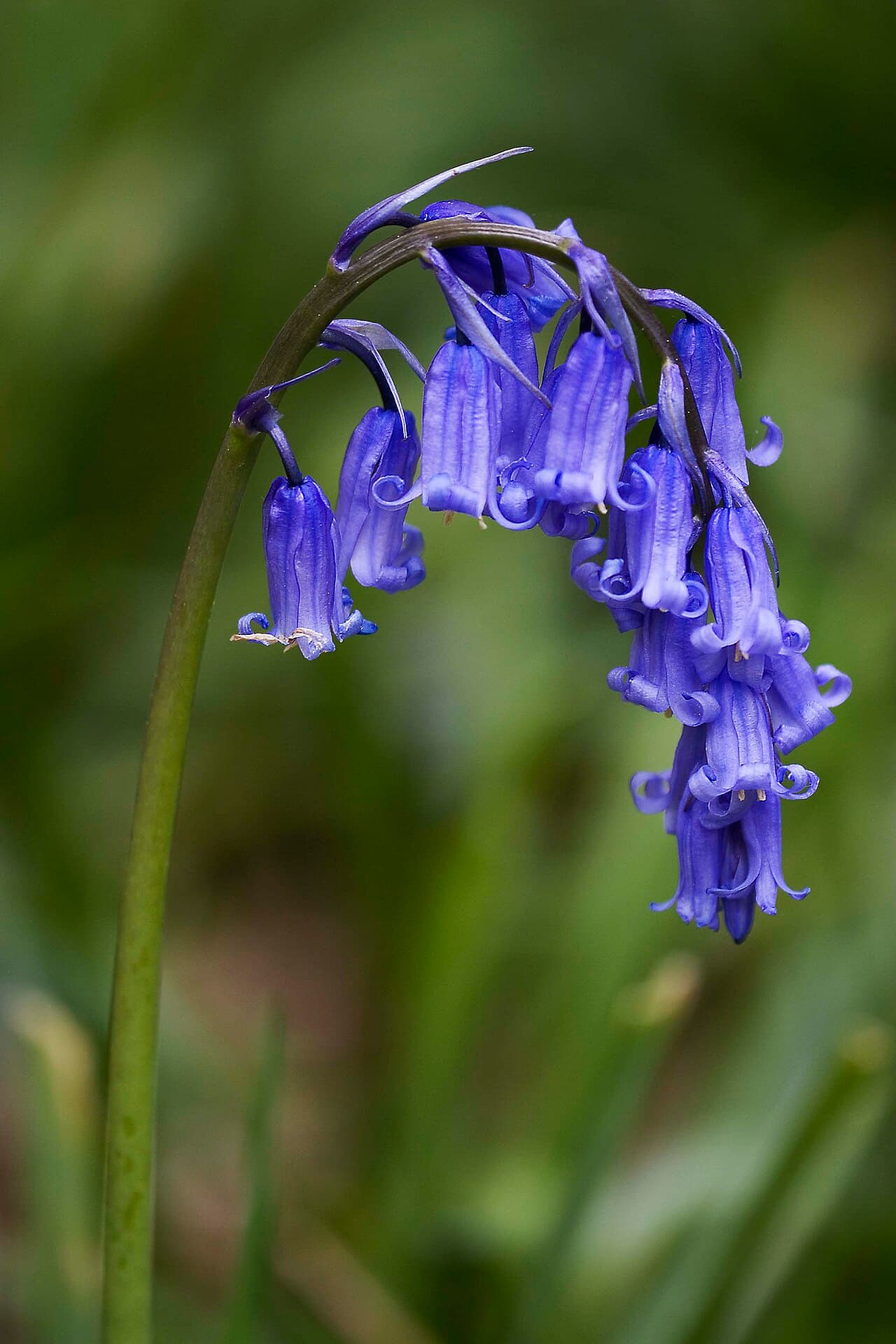
Adult walkers, gardeners and amateur naturalists — people who already stop for a flower and wish they could put a name to it. It is not a children’s game and not an exam crammer. There is no timer, no mascot, and no streak designed to make you feel guilty.
Photographs come from the iNaturalist Open Dataset, filtered to research-grade UK plants and to licences that allow commercial use. Read how the month filter works on what’s flowering in the UK this month, or see how a round is built.
Short notes on naming plants, then a photograph you can guess. All ten live on the journal.
Rosette is a UK wildflower identification game. You look at a photograph, guess the name, and keep every plant you get right in a life list.
No. Rosette does not identify a photo you take. It teaches you to recognise plants from large photographs, the way a field guide does.
No. There is no email or login. Progress is stored against a random device ID in your browser.
Questions are weighted toward species that show up often in iNaturalist observations for the current month — a proxy for when a plant is conspicuous, not a formal phenology database.
The iNaturalist Open Dataset. Only CC0, CC-BY and CC-BY-SA images are used, and every answer screen credits the photographer.
Start a round. No account. The photograph stays large enough to see the plant.
Start guessing